
One Journey. Many Chapters.
Your reproductive health changes throughout your life. Ninthmoon is designed to support you through the moments, transitions, and experiences along the way.
The reproductive journey
begins earlier than we think.
For most women, it begins around age 10–13 — with the first period.
It continues through adolescence, fertility, pregnancy, loss, choice, partnership, postpartum recovery, and eventually menopause.
Menstrual
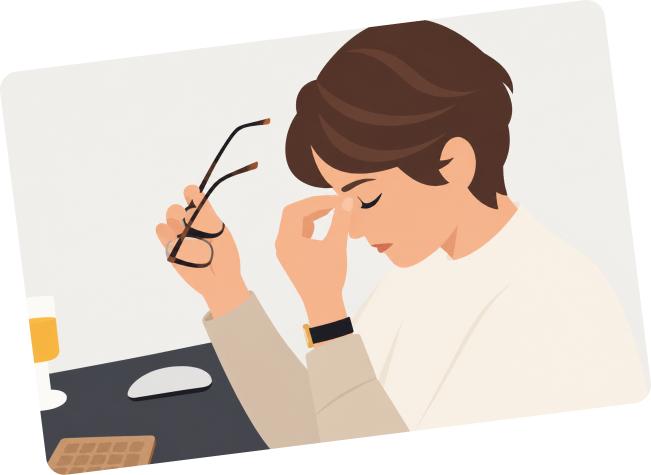
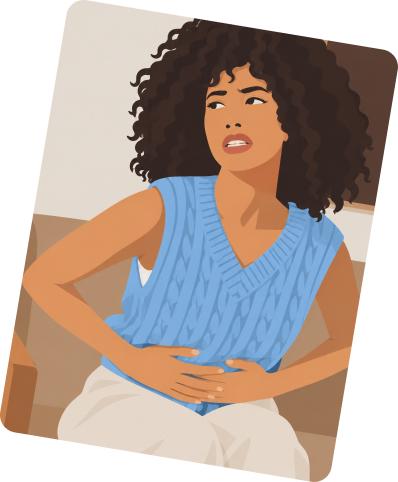
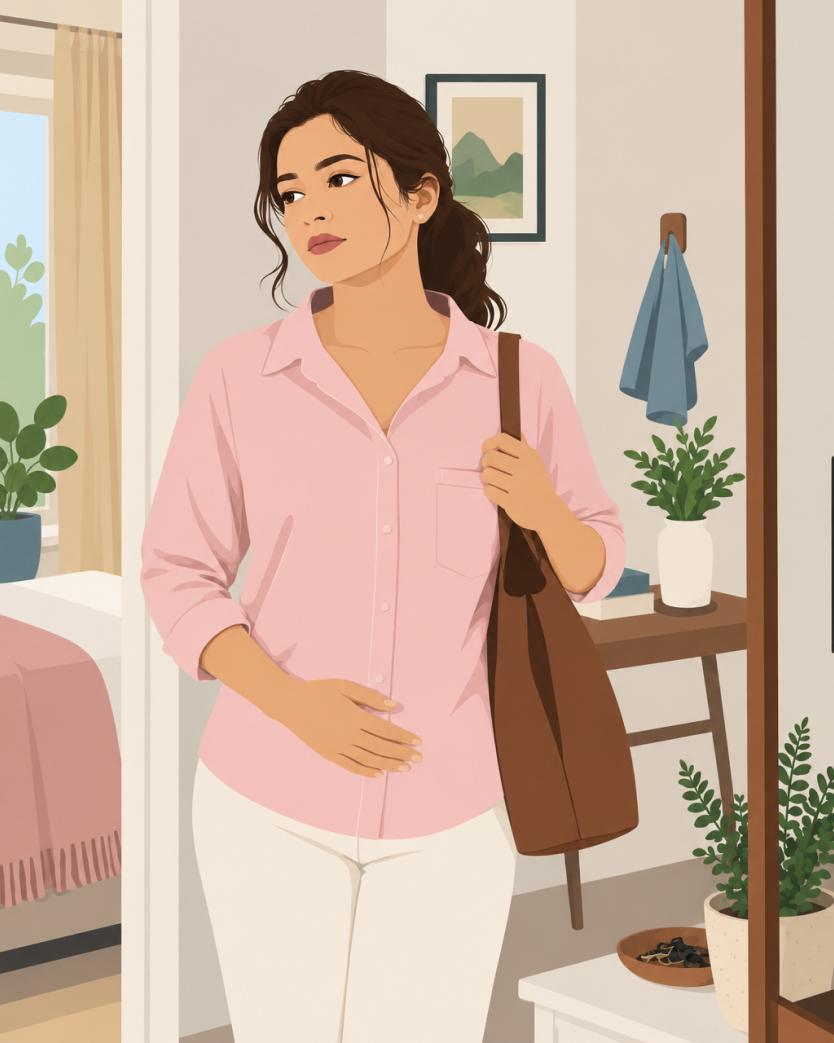
Periods & Menstrual Health
Your cycle is part of your life — and its story goes beyond dates.
- Periods may become unpredictable.
- Sleep and energy can change.
- Mood shifts may follow a pattern.
- Other symptoms may appear alongside them.
- Changes in everyday life add context.
Ninthmoon helps you record these experiences together and make sense of your patterns over time.
Key data
- 14–25%
- Women of reproductive age who experience menstrual irregularities
- More than 50%
- Women who menstruate experience period pain for 1–2 days each month
- 80–90%
- Women who report some premenstrual symptoms, such as bloating, headaches or mood changes
Your period is one part of the picture. Paying attention to symptoms and everyday experiences together can help you understand your patterns.
Age 18 – 35
Fertility & Reproductive Awareness
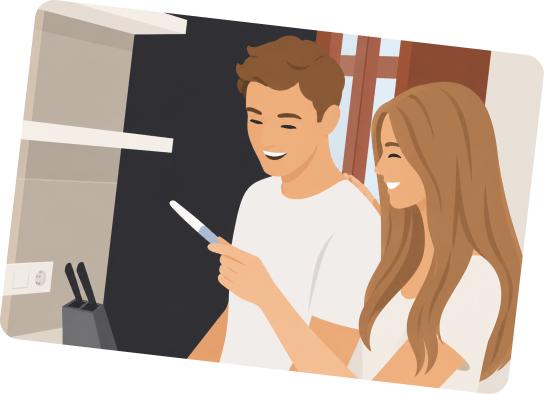
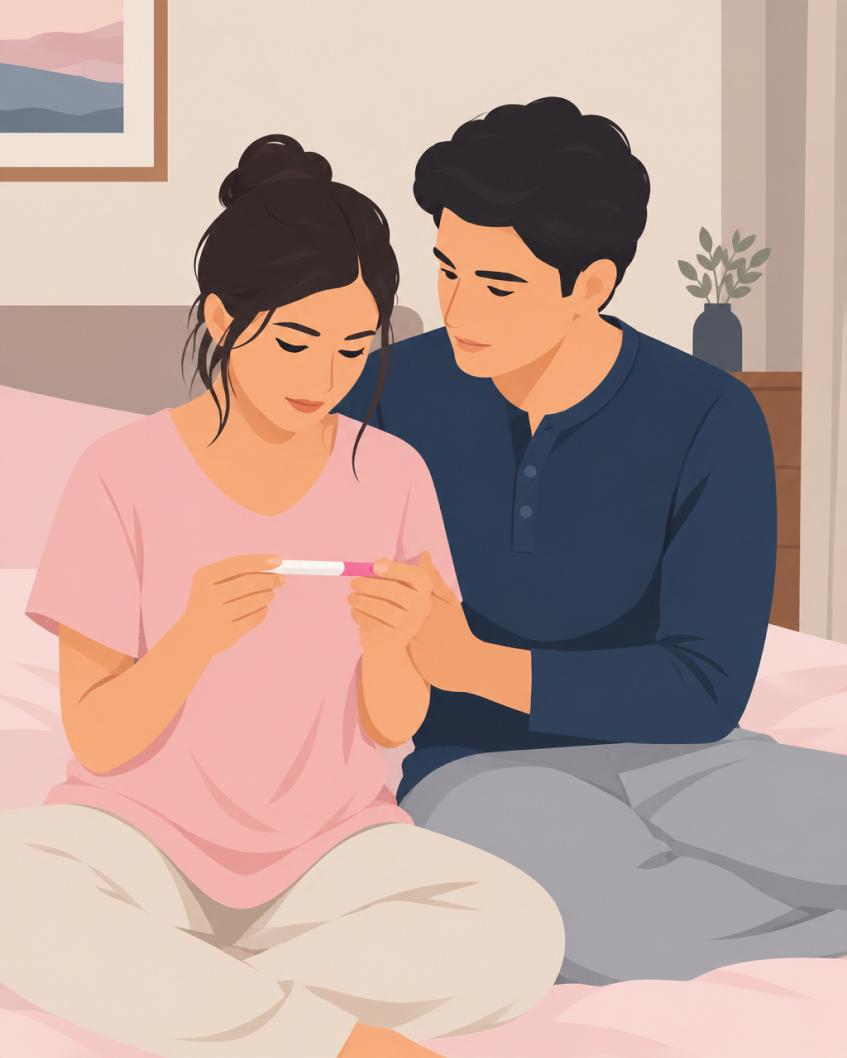
As cycles regulate, awareness grows. This stage may include:
- Ovulation tracking.
- Fertility windows.
- Trying to conceive.
- Contraception decisions.
- Relationship transitions.
For some, conception happens quickly. For others, it does not.
Key data
- 1 in 6
- Couples who experience infertility
- Narrow window
- Days per cycle when ovulation occurs
- Inconsistent
- Fertility awareness education globally
This phase often carries silent pressure — social, biological, and internal.
Pregnancy
Pregnancy
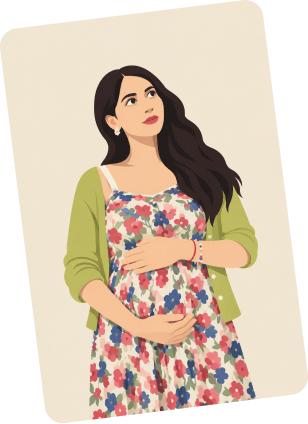
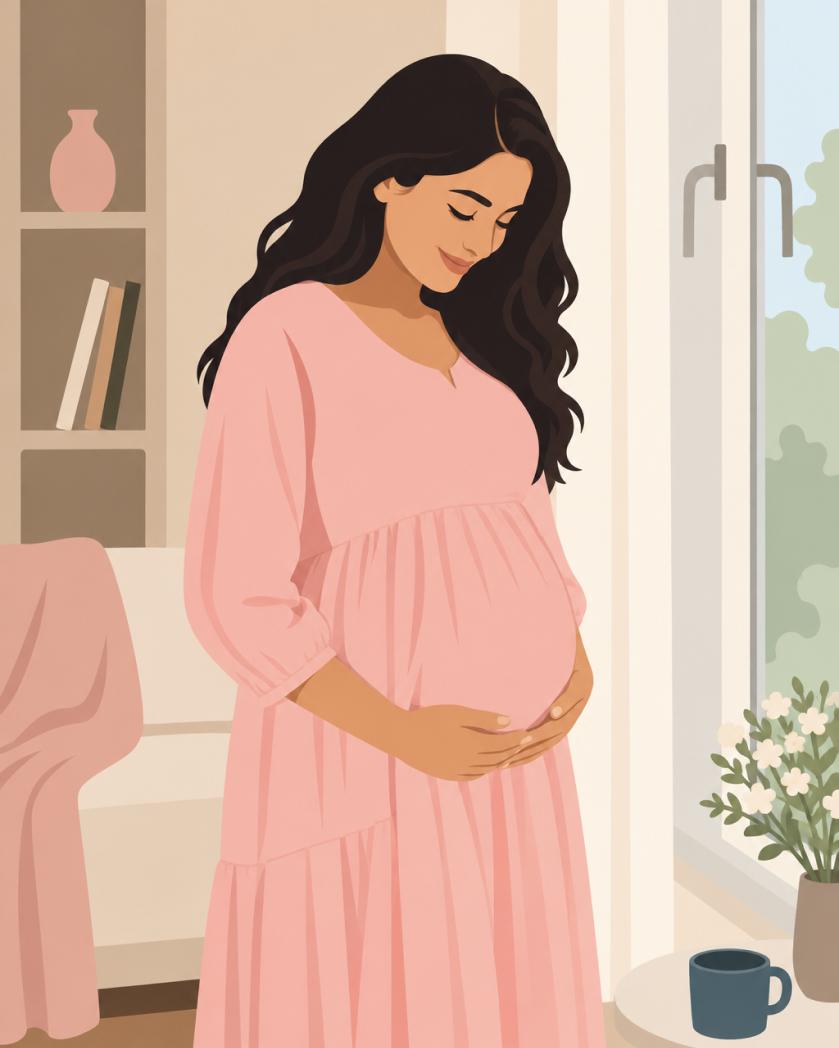
Pregnancy introduces profound biological and emotional transformation.
- Rapid hormonal increases.
- Anxiety around development.
- Physical discomfort.
- Identity shifts.
- Anticipation and fear coexisting.
Key data
- 1 in 5
- Women who experience perinatal anxiety or depression
- 70–80%
- Who experience ‘baby blues’
- Among the highest in life
- Hormonal levels during pregnancy
Support during this stage must be continuous — not milestone-based.
Loss
Miscarriage & Loss
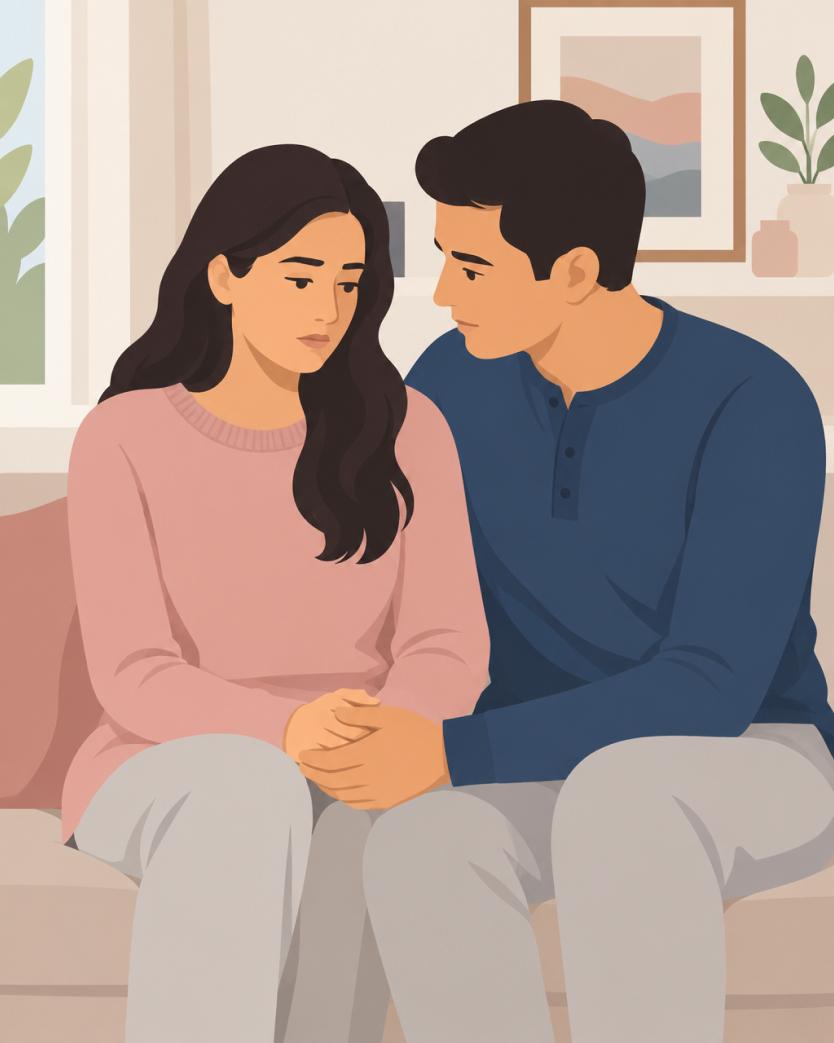
Pregnancy does not always continue. Loss may occur:
- Early (often before 12 weeks).
- Silently.
- Unexpectedly.
- It may be medical, surgical, or spontaneous.
- It may bring grief, confusion, relief, guilt, or numbness.
Key data
- 1 in 4
- Pregnancies that end in miscarriage
- First trimester
- When most occur
Loss deserves acknowledgment. Grief deserves structure. Silence should not be the default.
Choice
Reproductive Choice: Abortion
Reproductive journeys also include moments of choice.
- Relief.
- Sadness.
- Ambivalence.
- Certainty.
- Silence.
Abortion is neither rare nor singular. It is part of reproductive life.

Key data
- Nearly 1 in 4
- Women in the U.S. who will have an abortion by age 45
- Early pregnancy
- When the majority occur
Support during this stage must be private, non-judgmental, emotionally steady, and context-aware.
After Birth
Postpartum
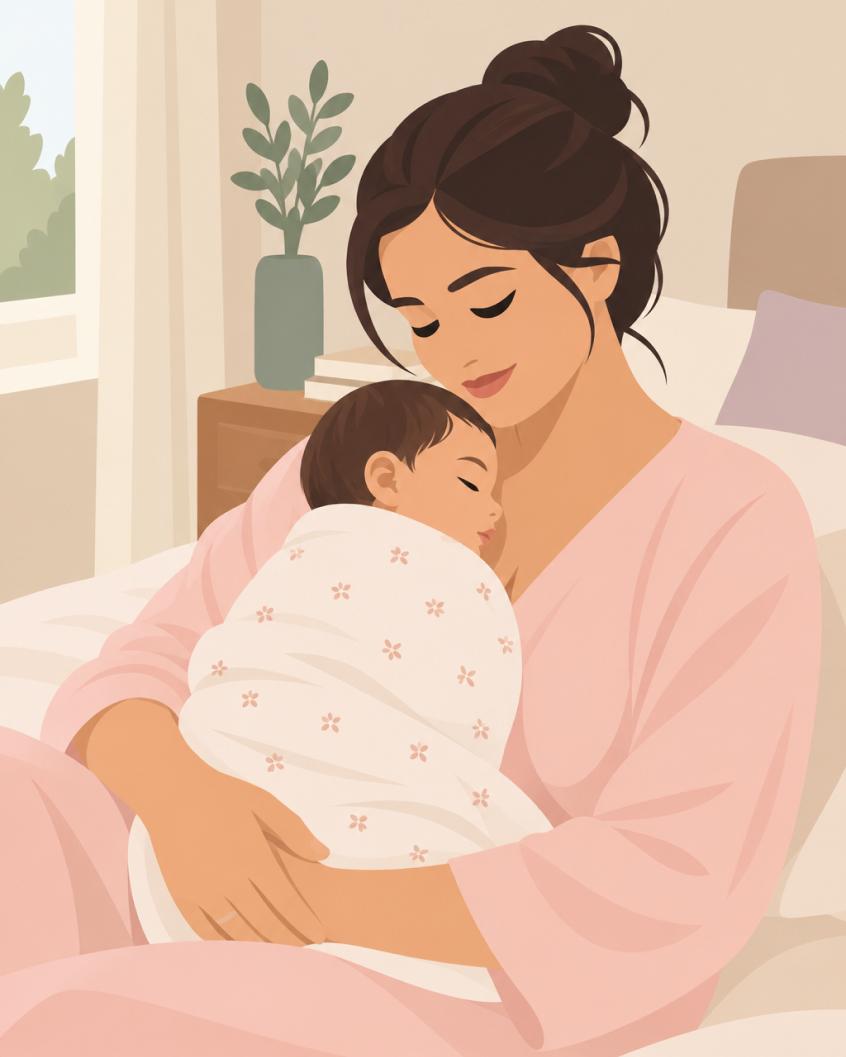
After birth, caring for yourself and your baby becomes part of everyday life.
- Your recovery and emotional wellbeing.
- Your baby’s feeds, sleep and nappy changes.
- Growth, milestones and vaccinations.
- New routines and changing relationships.
- Finding your way as a parent.
Ninthmoon helps you keep track of both your needs and your baby’s, with support as you grow together.
Key data
- 1 in 7
- Women who experience postpartum depression
- Drop dramatically within days
- Hormonal levels after delivery
Support should not end when pregnancy ends.
Age ~45–55
Perimenopause & Menopause
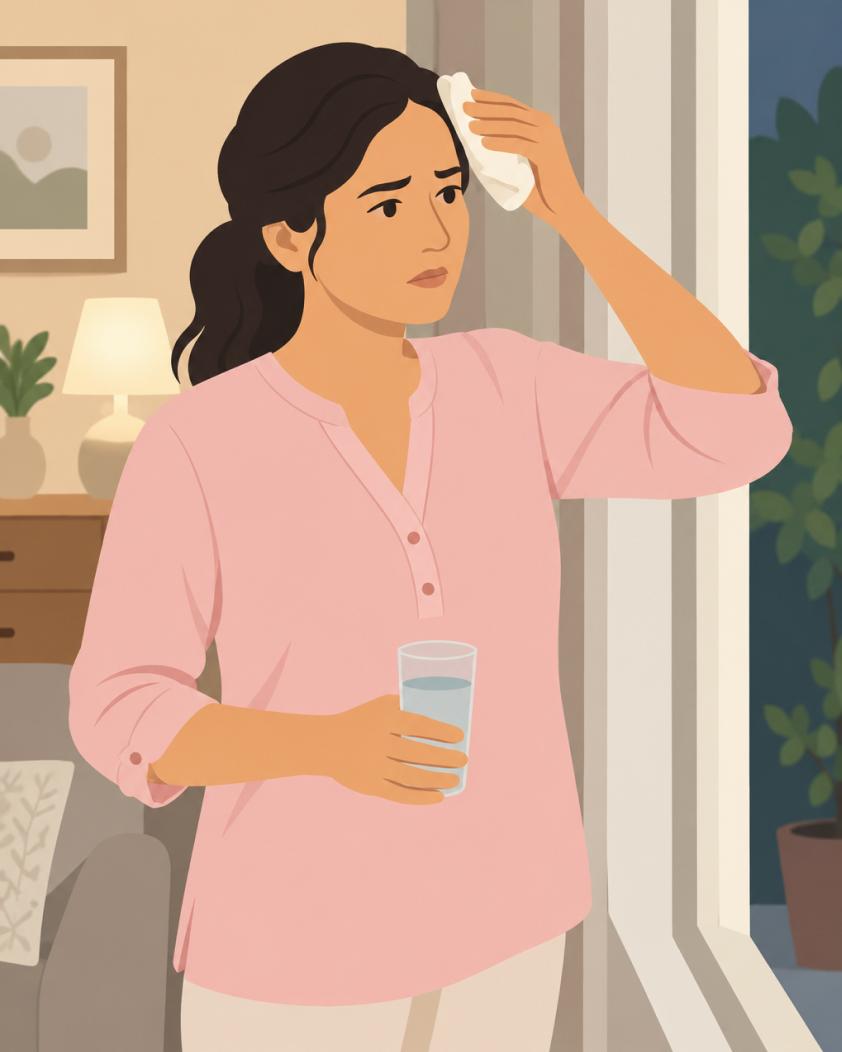
Reproductive life eventually transitions again.
- Irregular cycles.
- Mood fluctuations.
- Sleep disruption.
- Hot flashes.
- Cognitive shifts.
- Identity reevaluation.
Key data
- ~51 years
- Average age of menopause
- 4–10 years
- How long perimenopause can last
The journey does not end at childbirth. It evolves.
Support
Partners Support
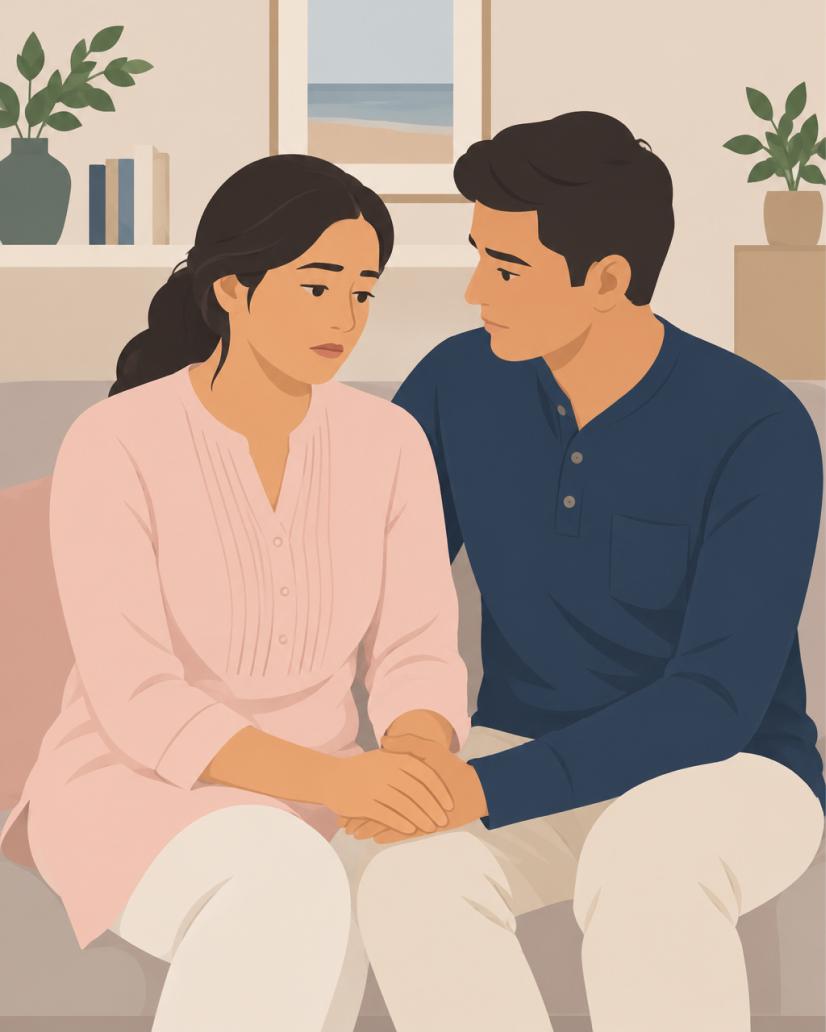
When someone you care about is navigating fertility, pregnancy, loss, or postpartum, you may want to be there in every way possible. But often, it’s not clear what to say, what to do, or how to help.
Ninthmoon provides guidance and emotional support for partners — helping you understand what your loved one may be experiencing, while also giving you space to process your own feelings.
Your Whole Story Matters
Across Every Stage
- Uncertainty
- Hormonal shifts
- Silence
- Cultural pressure
- Medical ambiguity
- Identity transitions
- Emotional isolation
Your symptoms, feelings and everyday experiences are all part of your reproductive health story. Ninthmoon helps you keep them together, notice patterns and find support that remembers your context.

And Nimo is there as your journey changes.
Nimo adapts to the context you are in, remembers what you have been through so far, to make future support more relevant.
Meet Nimo





Wherever your journey takes you, we're here.
Your reproductive journey is uniquely yours. Ninthmoon is here to support you through every chapter.